
Hydroelectric energy
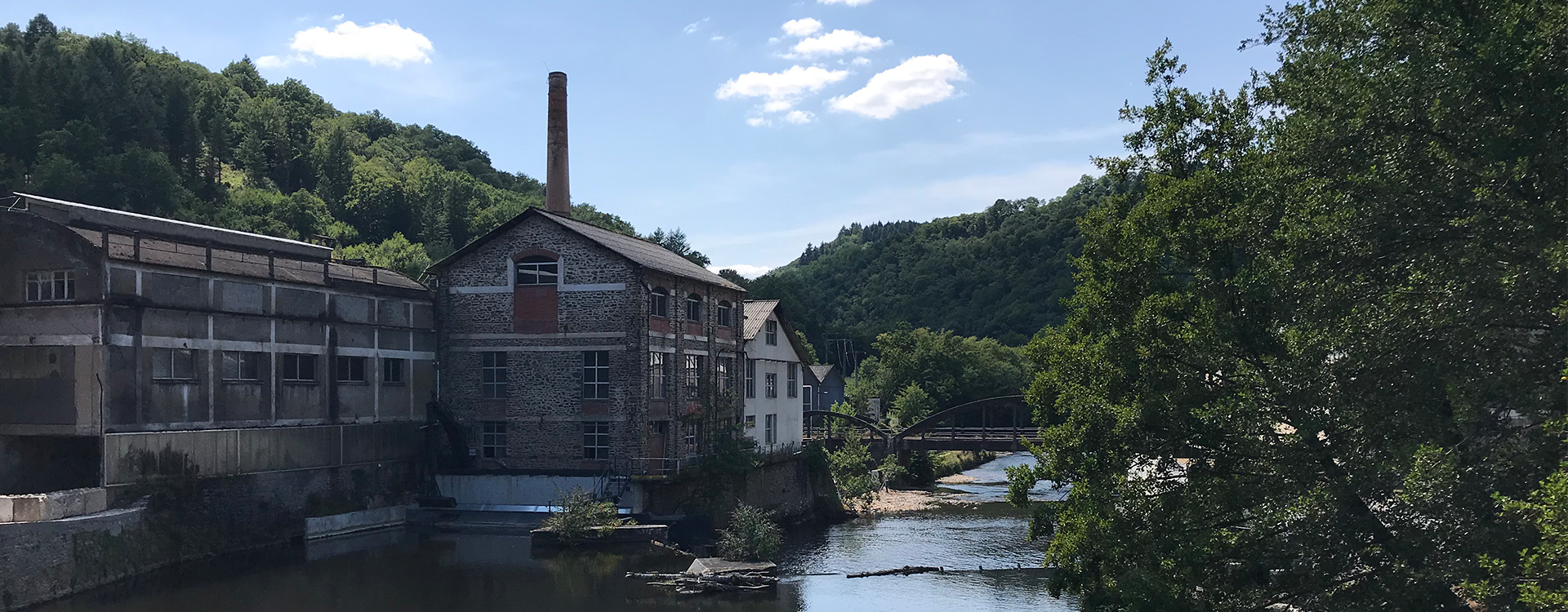


During the 19th century man became familiar with hydroelectric energy by using the driving force of water to transform it into electricity. Hydroelectricity is the first renewable source in France and the second at the national level for all energies combined. It covers about 12% of French electricity consumption in 2020.
Hydroelectricity is a clean energy that does not emit CO2, does not produce processing waste and uses durable equipment. It also respects biodiversity and natural environments by working in synergy with river users (fish, plants ...).

FAQ :
1. How small hydroelectricity works ?
The small hydroelectric plants, which are installed over the water, supply the grid year-round. Part of the watercourse is routed inside the plant via a bypass channel. The force of water drives a turbine that drives an alternator that converts mechanical energy into electricity. The water is then returned in watercourses without alteration.
2. Les centrales hydroélectriques sont-elles néfastes pour les poissons ?
Environmental studies are carried out during each hydroelectric project. Moreover, each dam has a «fish pass», allowing fish to run up the stream (migration) or simply bypass the obstacle. Grid plans are also present upstream of the plant to block access to the few fish directed to the diversion channel. The technology is evolving and many turbines are now ichtyocompatible, allowing the survival of the fish in case of unexpected passage in the plant.